Entry Point: Understanding the Training Path
Yoga teacher training programs in Rishikesh are designed in progressive stages. The journey usually begins with a 100-hour course, which introduces students to fundamental practices such as basic asanas, breathing techniques, and guided meditation. This level is suitable for those who are new to yoga or want to build a structured foundation.
The next stage is the 200-hour training, which is widely recognized as the standard certification for teaching yoga. This program expands on foundational knowledge and introduces detailed instruction in alignment, sequencing, and teaching techniques. It also includes theoretical subjects that help students understand the philosophy and science behind yoga.
For those seeking deeper expertise, the 300-hour course provides advanced training. This level focuses on refining teaching skills, mastering complex postures, and gaining deeper insights into yogic philosophy and advanced practices.
Core Learning Areas
Yoga teacher training in Rishikesh is built on a balanced curriculum that addresses multiple dimensions of learning.
Physical Practice (Asana Training)
Students learn traditional yoga styles such as Hatha Yoga and Ashtanga Yoga. The emphasis is on alignment, control, and consistency. Over time, students develop strength, flexibility, and body awareness.
Breath Control (Pranayama)
Breathing techniques are taught to regulate energy levels and improve concentration. These practices are essential for both personal well-being and effective teaching.
Meditation and Mindfulness
Meditation sessions are conducted regularly to help students develop focus and emotional stability. This component supports mental clarity and enhances overall awareness.
Yoga Philosophy
Students study classical teachings that explain the principles and ethics of yoga. This helps in understanding yoga as a holistic discipline rather than just a physical activity.
Anatomy and Physiology
Knowledge of the human body is essential for safe practice. Students learn about muscle groups, joint movement, and injury prevention, which are critical for guiding others.
Teaching Methodology
This component prepares students for real-world teaching. It includes class structuring, communication techniques, and practical teaching sessions where students gain hands-on experience.
Daily Routine and Discipline
The daily schedule in a yoga teacher training program is structured to maximize learning. Mornings begin with meditation and pranayama, followed by an intensive asana session. These practices Aerial Yoga Teacher Training Course in Rishikesh India help activate the body and sharpen mental focus.
After breakfast, students attend theoretical classes covering subjects such as philosophy and anatomy. Afternoon sessions are typically dedicated to workshops, alignment training, and teaching practice. Evenings may include relaxation techniques or group discussions.
This disciplined routine ensures that students remain engaged throughout the course and develop consistency in their practice.
Residential Experience and Lifestyle
Most yoga teacher training courses in Rishikesh are residential, providing accommodation and meals as part of the program. The living arrangements are simple yet comfortable, allowing students to focus entirely on their training.
Meals are usually vegetarian and designed to support a yogic lifestyle. This dietary approach complements the physical and mental demands of the course.
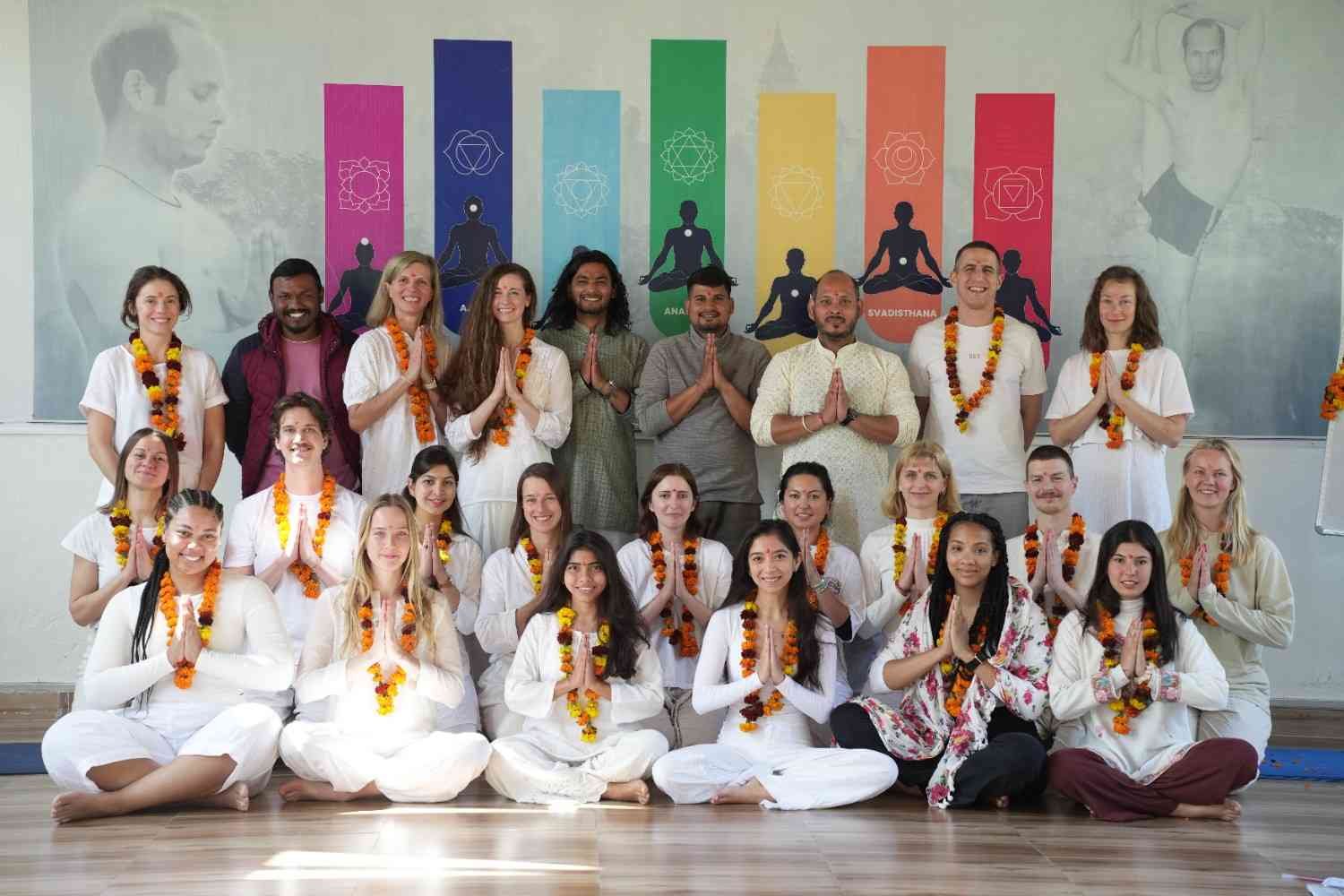
Living with fellow students creates a collaborative environment where participants can share experiences and support each other. This sense of community often becomes an important part of the overall journey.
Skill Development and Practical Exposure
A key aspect of yoga teacher training in Rishikesh is the emphasis on practical learning. Students are encouraged to practice teaching in front of their peers, receive feedback, and improve their communication skills.
By the end of the course, participants are expected to:
Perform core yoga postures with proper alignment
Understand sequencing and class flow
Deliver clear and effective instructions
Adapt sessions for different skill levels
Build confidence in leading a class
These skills are essential for transitioning from a student to a professional instructor.
Career Opportunities After Certification
Completing a yoga teacher training course opens up various career paths. Graduates can teach Aerial Yoga Teacher Training Course in Rishikesh India in yoga studios, wellness centers, or fitness facilities. Many also choose to conduct private sessions or offer online classes.
Some individuals continue their education by pursuing advanced certifications or specializing in areas such as therapeutic yoga or meditation training. Others integrate yoga into broader wellness or coaching careers.
Conclusion
Yoga teacher training in Rishikesh is a structured journey that combines discipline, knowledge, and personal transformation. From foundational learning to advanced practice, each stage of the training is designed to build competence and confidence. With its comprehensive curriculum, immersive environment, and emphasis on practical skills, Rishikesh continues to be a leading destination for those serious about yoga education.